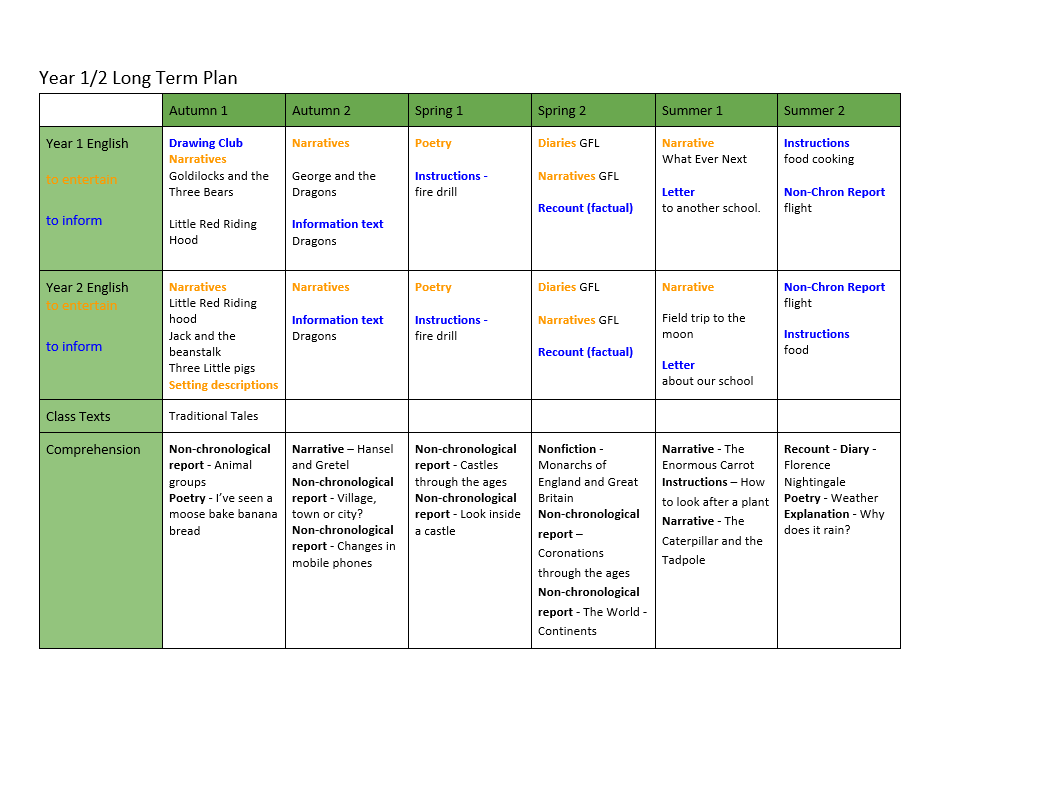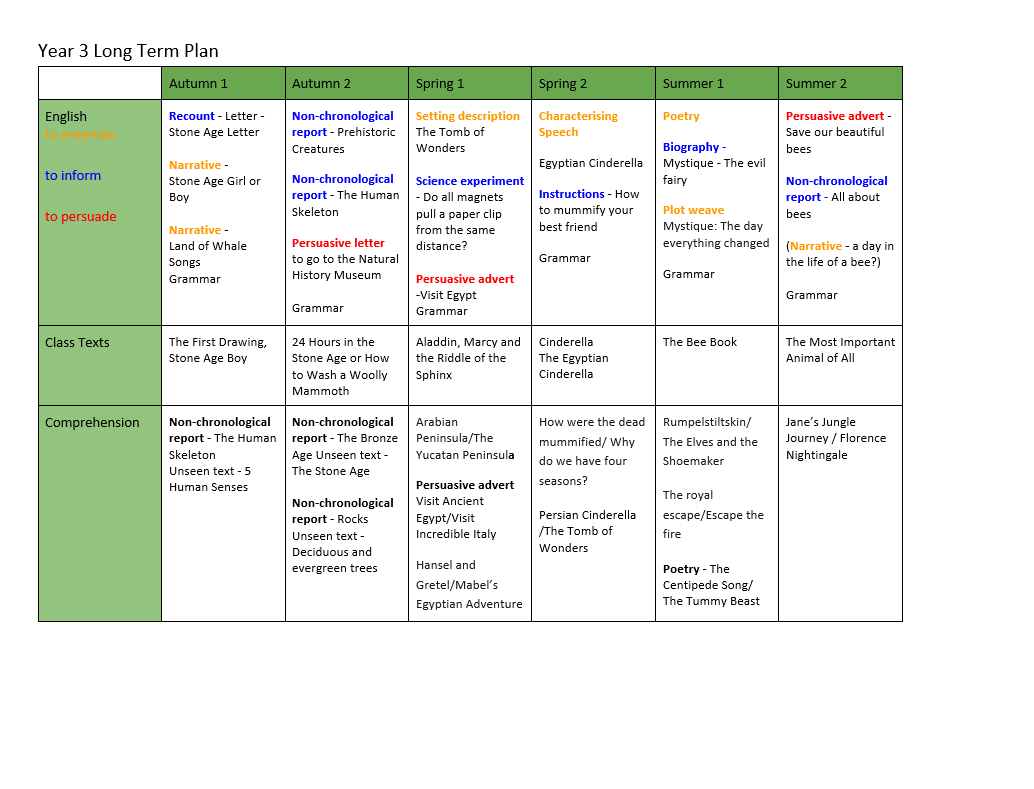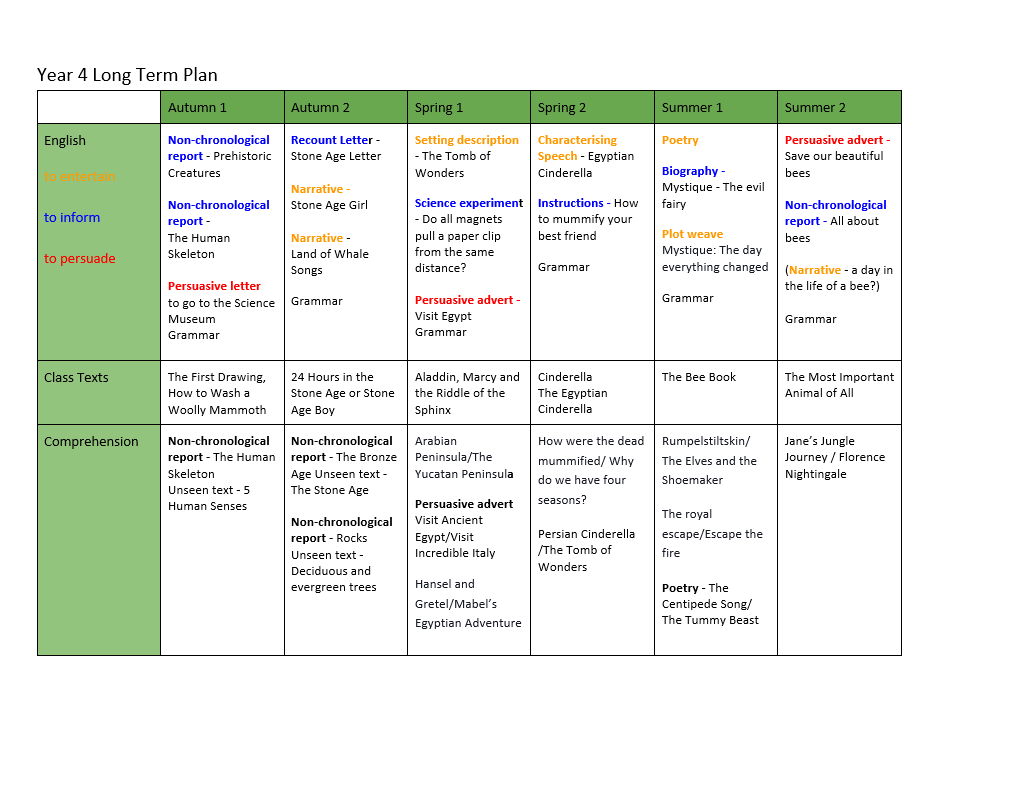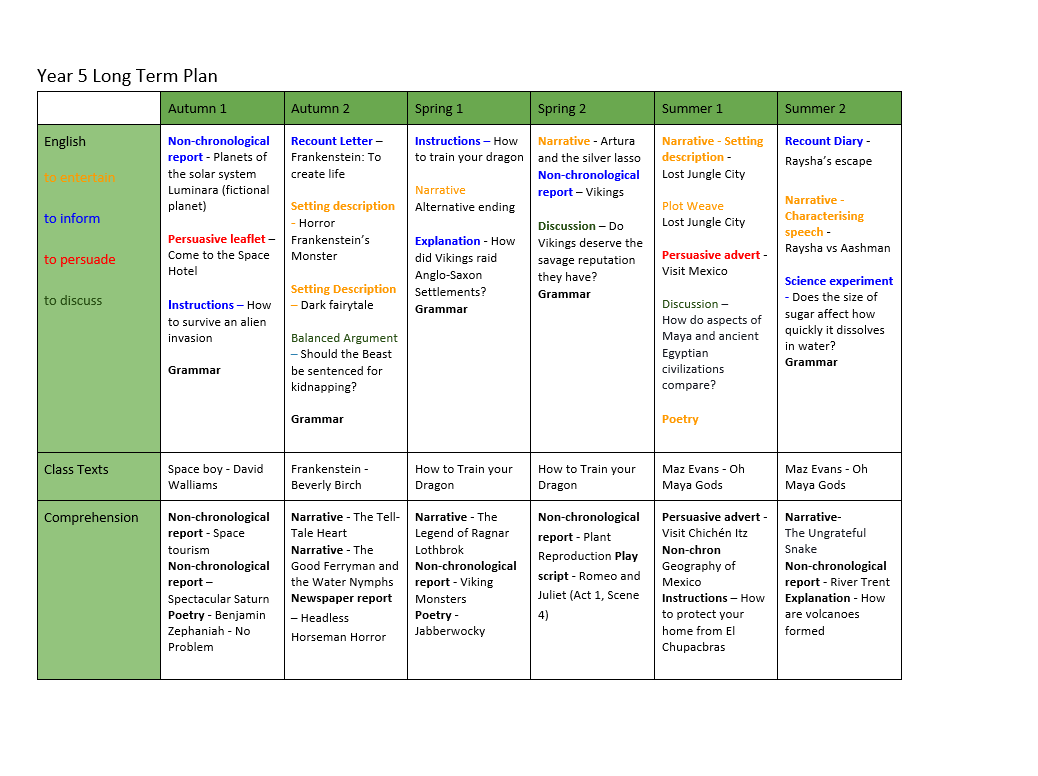

English Curriculum
Reading
Subject Vision
Central to learning is creating a life-long love of reading and books. At Ruislip Gardens Primary School, it is our belief that every child should be able to read for pleasure and to a high standard. We want to develop our children’s imagination to open up a treasure house of wonder and joy for curious young minds. We also believe that every child should be given the tools to develop into an enthusiastic and confident reader both at home and at school. Reading improves language and vocabulary, inspires imagination and gives everyone the opportunity to develop and foster new interests. From the moment a child arrives in the Early Years at Ruislip Gardens, they will access a reading curriculum that is ambitious and designed to give all pupils the knowledge and cultural capital they need to succeed in life
Intent
Our intent for reading at Ruislip Gardens is for children to find pleasure in reading and to make progress in their skills, in order to read to an excellent standard. We aspire to be a reading community immersed in books and high-quality literature and aim to provide pupils with the tools to develop into enthusiastic, determined and confident readers, both at school and at home, regardless of their ability. We extend those opportunities outside of the classroom with links to wide range of authors.
We recognise the importance of reading as a subject, but also the importance of applying the skills learned in reading to other subjects. We acknowledge that reading improves oracy and vocabulary, creating inspired writers. Reading inspires imagination, develops mindful learners and gives everybody an opportunity to develop and foster new interests. We aim to use our inclusive and high-quality resources to provide support and challenge for all. Reading skills are taught through whole class VIPERS sessions, Teachers’ expectations of pupils ensure that they attain standards at least in line with the national average at the end of all key stages, to prepare them for their next stage of education.
We want children to make meaningful links between what they read and the rest of the curriculum. Adults within the school act as reading role-models and experts using their knowledge of current and relevant authors to extend their reading experiences. The breadth of our reading curriculum complements our whole-school community’s engagement with the world around them, fostering greater respect for different cultures and empathy for all within the world in which they live.
Implementation
Phonics
When the children join school in Reception, they begin with the systematic and rigorous teaching of daily phonics using the programme called Twinkl Phonics. While completing the Twinkl Phonics programme, children read books that are matched to their phonics knowledge. This allows them to apply their segmenting and blending skills and build fluency in their reading style as they read and re-read texts suited to their reading ability. Children are assessed at least every 6 weeks, to ensure they are working at the correct phase. They are also encouraged to take home a ‘reading for pleasure’ book from the school library.
For those children in Year 2 who did not pass the phonics screening test in Year 1, additional, small group interventions take place. The children are also assessed by the Phonics Lead teacher, to ensure progress is being made. Children in Key stage 2 who have not passed the phonics check are monitored to ensure they have opportunities to reach age-related levels of attainment.
In Reception, children are read to throughout the day and a range of high-quality texts are enjoyed together, many linked to other areas of the curriculum. In Key Stage 1, pupils are read to regularly and at the end of each day enjoy a class novel being read-aloud to them by an adult. In Key Stage 2 to promote a love of reading, children have a class novel read aloud to them by an adult at the end of each day and this is often linked to an area of the curriculum.
Year 2 to Year 6 VIPERS
Our Reading curriculum is designed to ensure coverage and the progressive development of skills. At Ruislip Gardens Primary School, we use Reading VIPERS and Grammarsaurus from Year 2 and throughout Key Stage 2 to teach reading skills through 6 key areas: Vocabulary, Infer, Predict, Explain, Retrieve, Sequence or Summarise. We have a carefully planned Programme of Study linked to a range of genres to ensure good range and coverage.
Impact
The impact of the reading emphasis and teaching at Ruislip Gardens Primary School will be…
- High progress measures from a child’s initial reading ability
- Y1 Phonic Screening Check pass rates
- Children will have a good knowledge of a range of authors
- High levels of engagement with a range of high-quality books
- The ability to read across a range of subjects
- A fostering of reading for pleasure
- The % of children working at age-related expected standards within each year group will at least be in line or exceeding with national averages.
- There will be no significant gaps in the progress of different groups of pupils (e.g. disadvantaged and non-disadvantaged)
The children are assed using a variety of summative methods including external tests such as Year 6 SATs or the phonics screening check, practise SATs paper and Cornerstones assessment papers.
In addition, evidence from reading sessions (Reading Journals/diaries) is used to formatively assess children using the formative assessment sheets in order to identify gaps and plan subsequent lessons.
Parents will be provided with a written report about their child’s progress during the Summer term every year. These will include information on pupils’ attitudes towards reading and their comprehension skills.
Verbal reports will be provided at parent-teacher consultations during the Autumn and Spring terms.
The progress of pupils with SEND will be monitored by the SENCO.
Key Concepts
|
Phonemic awareness |
||
|
At Ruislip Gardens school, we understand that children develop phonemic awareness by learning about sounds (phonemes), syllables and words. Every word in the English language is a product of a combination of individual units of sound, known as phonemes. For example, the word ‘crab’ is made up of four individual units of sound; c/r/a/b. Phonemic awareness is the ability to hear, identify and manipulate these individual units of sound. It is one of the most fundamental skills children need to acquire in order to learn how to read. By playing word games, engaging in language play, rhyming, and simply listening to a teacher or parent read to them, our children can develop phonemic awareness from an early age. |
||
|
Phonics |
Fluency |
|
|
At Ruislip Gardens school, we understand that phonics is the process of mapping the sounds in words to written letters. We believe this is one of the earliest reading skills children should develop, because it introduces them to the link between letters and sounds, known as the alphabetic principle. From EYFS to Year 2, our children participate in daily phonics lessons |
We believe that there is a range of different skills that build reading fluency in young children. These include strong phonic decoding skills, an expanding bank of high frequency words recognised at sight ('sight words'), and the amount of time that children spend reading books at an appropriate level. The more children read, the better they are at understanding and reading with speed and accuracy. Fluency enables readers to quickly span the gap between recognising a word and understanding its meaning. Since fluent readers no longer need to concentrate on decoding the words on a page, they can enjoy the freedom of focusing on the meaning conveyed by words and sentences. Fluency is something that comes as a child develops their phonemic awareness, phonics skills and vocabulary. Regular reading practice is essential to developing reading fluency. It’s also helpful to note that by reading aloud regularly to your child, you can provide them with a vocal model to help them understand what fluent reading sounds like. |
|
|
Vocabulary |
Comprehension |
|
|
Having an ever-increasing vocabulary is a fundamental part of academic and reading success. At Ruislip Gardens we believe the more words we know, the better we become at reading and understanding the texts that we read. Every child approaches reading with varying abilities. The larger a child’s speaking and listening vocabulary, the more words they will be able to add to their reading and writing vocabularies with relative ease. Reading a wide variety of books is one of the best ways for a child to grow their vocabulary. Some of the most fundamental words that a child will learn when starting to read are sight words. These include high frequency sight words such as ‘on’, ‘I’, ‘the’, ‘and’, ‘is’, ‘an’ and ‘be’. The first 100 sight words make up more than fifty per cent of most texts for early readers, and are therefore extremely beneficial for children to learn early on in their reading journey. |
At Ruislip Gardens the teaching comprehension involves the provision of fascinating, challenging experiences with texts that have been chosen for the breadth and relevance of their content. It also involves awakening pupils to the active, personal nature of comprehension through explanation, modelling and rich discussion.
|
|
Recommended Reads
Writing
Subject Vision
Oracy is at the centre of being able to communicate successfully; we want our pupils to be able to express their learning experiences, as an inquisitive and deep-thinking learner. The value we put on spoken language is reflected in our approach to the teaching of writing. Our provision of high-quality texts supports their development as writers, enabling them to write for a range of purposes and audiences. Writing opportunities are also linked where possible with our other subjects.
Intent
At Ruislip Gardens Primary school, the teaching of writing supports and links our whole curriculum; hence we strive to provide a highly motivating and engaging writing curriculum that is well developed and gives pupils the opportunity to enrich their skills in writing across all subject areas. It is our aim that our children are able to articulate their ideas clearly and eloquently through both spoken and written language as this is a vital skill that will allow them to be proud of what they have achieved and to be prepared for the future.
Staff at Ruislip Gardens celebrate the diversity in our school; they understand the importance of being able to meet the needs of the differing groups of learners: teachers plan and teach personalised writing lessons which focus on the particular needs of each child. We recognise that each child has their own learning journey, with different starting points and so progress is measured in line with baseline data to ensure every child can celebrate success and be the best that they can be. Teachers prepare and deliver writing activities and experiences that are relevant to Ruislip Gardens children’s lives and cultures; we plan for children to understand the wider, richer, subject specific vocabulary they are exposed to throughout various curriculum areas.
Implementation
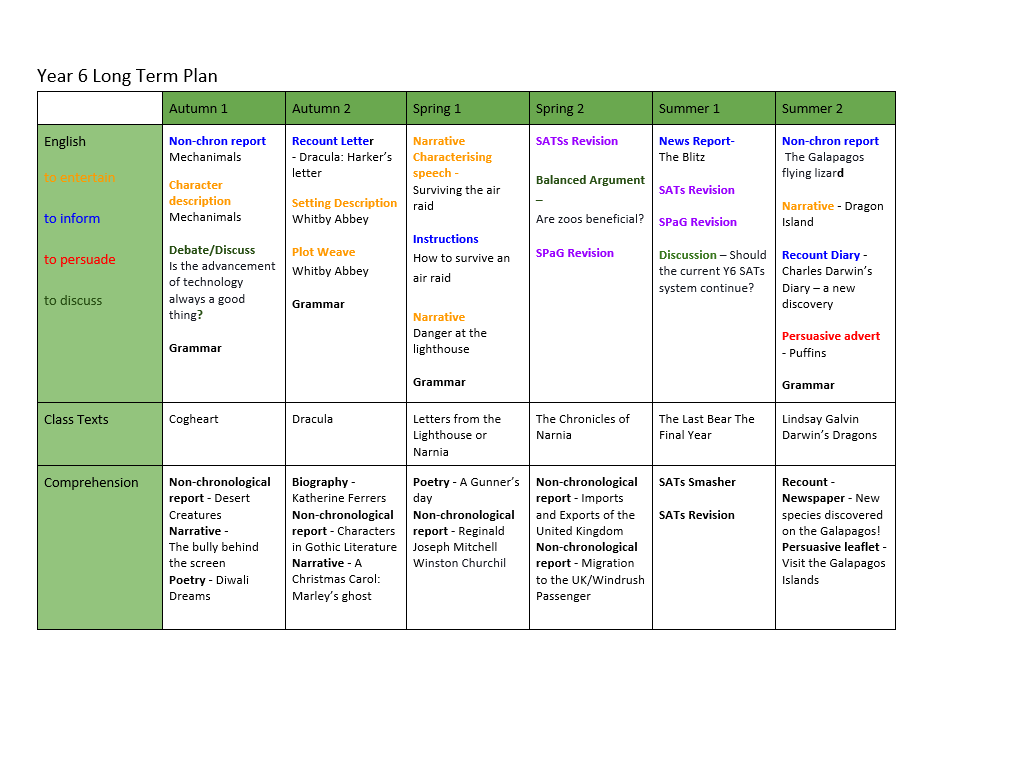
In order to achieve our intended outcomes, enjoyment, immersion and engagement are at the heart of our writing curriculum. At Ruislip Gardens writing lessons are delivered using high quality texts and children in all year groups are given varied opportunities for writing The National Curriculum states that spoken language underpins the development of reading and writing and, with oracy being such a high priority for children at Ruislip Gardens Primary School, we weave talk opportunities into every lesson. Using a variety of drama strategies and groupings for talk, children have numerous opportunities to orally explore a text type before they start to write. The National Curriculum and EYFS Framework is used to inform the planning and delivery of the writing curriculum at Ruislip Gardens.
Children at Ruislip Gardens receive discrete writing lessons each day; they also have opportunities to develop their writing skills explicitly across the curriculum. The school’s marking and feedback policy also ensures that high standards of writing are promoted across the whole curriculum; basic English skills related to spelling, punctuation and grammar remain a focus for marking (not only in writing lessons but across all subject areas) as well as the promotion of high standards of presentation. Through the close monitoring of basic skills and presentation, children are able to take pride in their work and are able to express their ideas fluently across all areas. This is something that we feel is essential in allowing all pupils to make outstanding progress and achieve the very best that they can.
Teaching in writing at Ruislip Gardens is highly personalised to the needs of each child and so children will often receive smaller group inputs during lessons, which help them to achieve the right next steps for them. Live marking, when appropriate, means children receive high quality feedback on the spot to allow them to make accelerated progress within and across lessons. There is a clear progression of skills from KS1 to KS2, which meets the requirements of the National Curriculum.
The teaching of spelling, punctuation and grammar are consistently used to inform and build upon children’s writing opportunities.
Spelling is taught outside of writing lessons and children understand the importance of learning spellings in a memorable and interesting way. A range of strategies are used to ensure personable learning which supports pupils in becoming competent lifelong spellers. Accurate spelling is expected in all writing across the curriculum and children are taught and given time to edit their spellings and recognise their own errors.
The teaching of grammar and standard English is an integral part of every writing lesson and across the whole curriculum. Using the National Curriculum, key grammar and Standard English skills are taught progressively and systematically throughout the school. The understanding of Standard English is embedded further by giving all children the opportunity to be exposed daily to Standard English and Oracy. Teachers model the process of writing within every lesson so that children understand the thought process behind writing. During this process, teachers think out loud, edit and demonstrate how and why they have structured their writing in the way that they have. Children are then given the opportunity to participate in a shared write, where everybody contributes to the writing outcome. This is scaffolded further into paired, supported and finally independent writing.
Children therefore have an understanding of the whole writing process, which is embedded across different curriculum contexts. Regular monitoring by subject leaders and senior leaders ensures that each class is teaching the correct explicit knowledge for their age group, whilst internal, local and external moderations ensure the accuracy of teacher assessment in reading and writing.
Impact
- Pupils’ developing abilities as writers are assessed through ongoing formative assessment. This process occurs through daily interactions with learners, marking, verbal feedback, modelled examples and fix-its/challenges in green.
- The pupils extended writing in their books provide clear assessment information for making end of term and end of year judgements and also provide a wealth of information for moderation across classes/year groups. Writing assessment grids for each year group are used as a tool to support assessment of groups or individuals.
- As for all core subjects, class assessment data for Writing is captured every term. Assessment judgements are derived through analysis of progress against the writing statements and the agreed methods used to convert these to the relevant statement.
- Working at the expected standard– a pupil whose work evidences all of the highlighted objectives across several pieces of writing would be on track for expected standard at the end of the year.
- Working towards the expected standard– pupils who have not been able to evidence all of the highlighted objectives in their writing would be working towards and may need to be targeted in the areas they have not been able to evidence.
- Working at greater depth within the expected standard– pupils who are demonstrating writing at greater depth will have consistently evidenced all the objectives across a range of writing, including in writing across the curriculum. There should also be highlighting of the relevant greater depth objectives in the top right-hand side box of the grids.
- The areas for development identified by writing assessment grids / marking & feedback (particularly of independent writing) will inform tailored interventions and support.
Key Concepts
|
Speaking and Listening
|
Transcription |
|
Spoken language underpins the development of writing. The qualities of language that pupils hear and speak are vital for developing their understanding of vocabulary and grammar. Spoken language should empower pupils to share their ideas in an articulate and confident manner.
|
Effective transcription refers to accurate spelling and handwriting. This is achieved if pupils have a good understanding of the relationship between letters and sounds, word structure and spelling structure. |
|
Vocabulary |
Grammar, and punctuation
|
|
Vocabulary refers to a set of words within a language. Vocabulary usually develops with age and experience and is essential for effective communication. Giving pupils opportunities to develop their vocabulary is essential in aiding their spoken and written language. |
Punctuation is the system of symbols that we use to separate written sentences and parts of sentences to make their meaning clear. Each symbol is called a "punctuation mark". Grammar refers to the study of words, how they are used in sentences and how they change in different situations.
|
|
Sentence structure
|
Editing |
|
This refers to the ability to recognise different parts of a sentence and understand how to manipulate these for affect.
|
This is a crucial part of our writing curriculum and refers to the process of changing, refining and improving writing. |
|
Purpose and audience
|
|
|
The idea that each piece of writing is written for a reason, and being confidently able to understand the reason. The idea that all writing has an intended audience and being able to manipulate style, content and vocabulary, as necessary, to reflect the intended audience. |
|